- You have no items in your shopping cart
- Continue Shopping

As electricity costs continue to rise in 2026, homeowners and businesses are actively searching for smarter ways to reduce energy consumption. One of the most effective and proven solutions is switching to LED lighting. This complete guide breaks down how much energy LED lights really save, how they compare to traditional lighting, and the real cost savings over time.
What Makes LED Lighting More Energy Efficient?
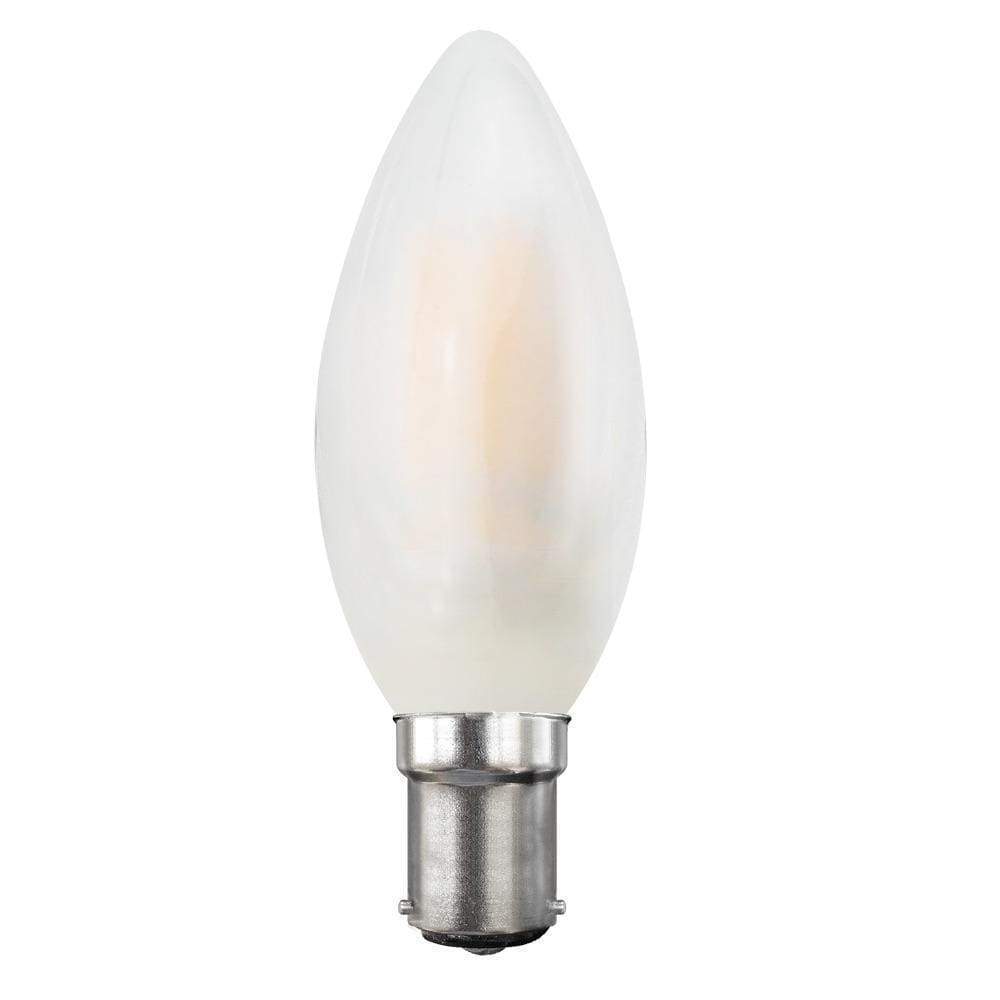
LED (Light Emitting Diode) lighting uses advanced semiconductor technology to convert electricity directly into light. Unlike incandescent or halogen bulbs that waste energy as heat, LEDs operate with up to 90% efficiency, producing brighter light using significantly less power.
Key efficiency advantages of LED lighting include:
- Lower wattage requirements
- Minimal heat loss
- Instant full brightness
- Long operational lifespan
This efficiency directly translates into lower electricity bills and reduced environmental impact.
LED vs Traditional Lighting: Energy Consumption Comparison
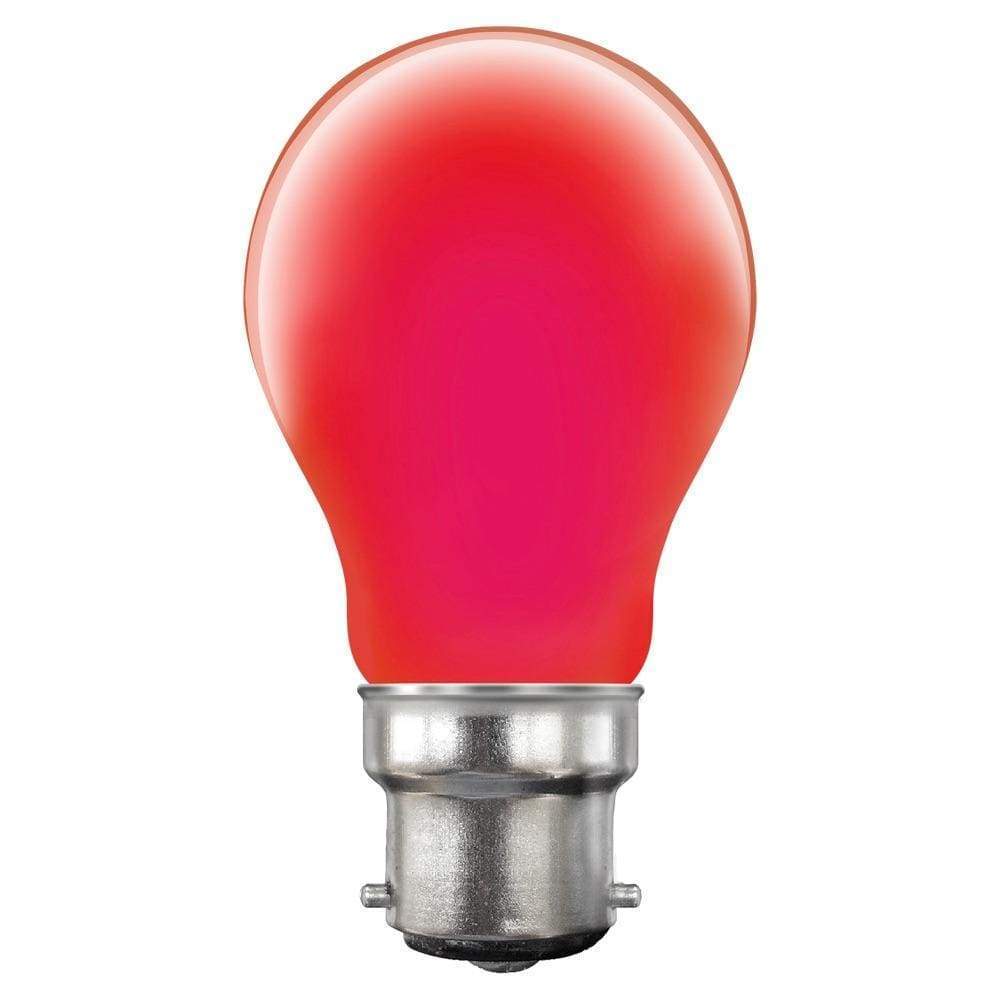
Here’s a simple comparison using equivalent brightness (around 800 lumens):
- Incandescent bulb: 60 watts
- CFL bulb: 13–15 watts
- LED bulb: 8–10 watts
An LED bulb uses up to 85% less electricity than incandescent lighting while delivering the same brightness.
If you run a light for 5 hours per day:
- Incandescent: ~109 kWh per year
- LED: ~18 kWh per year
That difference adds up quickly—especially across multiple rooms or commercial spaces.
Real Cost Breakdown: How Much Can You Save with LED Lighting?
Let’s look at a realistic cost scenario using average electricity rates:
Per Bulb (Annual Cost):
- Incandescent: High energy cost + frequent replacements
- CFL: Moderate energy cost + limited lifespan
- LED: Lowest energy cost + long lifespan
Over 10 years, a single LED bulb can save thousands in electricity and replacement costs compared to traditional bulbs.
While LED bulbs have a slightly higher upfront cost, they typically:
- Last 25,000–50,000 hours
- Reduce maintenance and replacement expenses
- Pay for themselves within 6–12 months
For businesses, warehouses, and offices, LED upgrades often result in 30–70% energy cost reductions annually.
Environmental Benefits of LED Energy Savings
Lower energy use doesn’t just save money—it reduces carbon emissions. LED lighting helps:
- Decrease power plant demand
- Lower greenhouse gas emissions
- Reduce waste from frequent bulb replacements
This makes LEDs an essential part of sustainable and eco-friendly building practices.
How to Maximize LED Energy Savings
To get the most out of LED lighting:
- Choose the correct lumens, not watts
- Select the right color temperature for each space
- Use LED-compatible dimmers
- Upgrade high-usage areas first (kitchens, offices, commercial spaces)
Investing in quality LED products from trusted suppliers ensures long-term performance and maximum savings.